

Patient stories about
ZURZUVAE
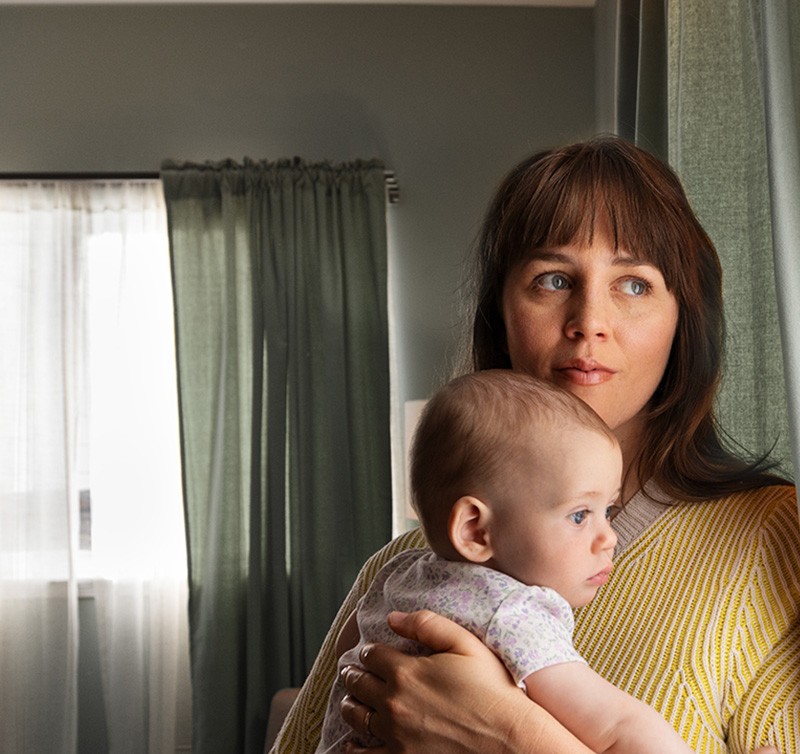
About 1 in 8 women report experiencing symptoms of PPD
after giving birth. Understanding women’s stories may help
support you on your journey.
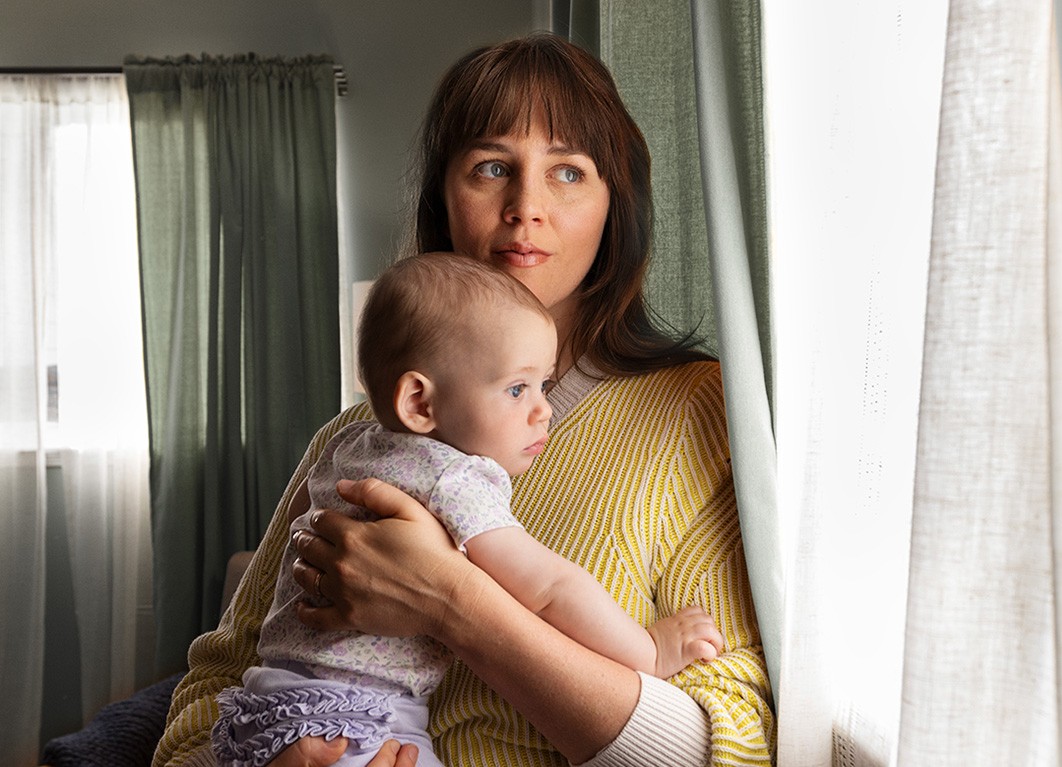
Hear Katy’s experience with postpartum depression and ZURZUVAE
Hear from women who have been treated with ZURZUVAE for PPD. The symptoms of PPD may be different in other women, and each individual’s experience with ZURZUVAE may also be different. See signs and symptoms of PPD here. This is not intended to be medical advice. Only a doctor can diagnose PPD and help find the right treatment option.
Transcript
Full-screen Graphic:
This video is sponsored by Sage Therapeutics, Inc. and Biogen Inc. The patient in this video is an actual patient who was treated with ZURZUVAE (zuranolone) CIV for her postpartum depression and has been compensated for her time.
This is Katy’s experience and symptoms of PPD may present differently in other women and their treatment experience may also be different.
This is not intended to be medical advice, only a doctor can diagnose PPD and help find the right treatment option.
Full-screen Graphic:
What is ZURZUVAE (zuranolone) CIV?
ZURZUVAE is a prescription medicine used to treat adults with postpartum depression (PPD).
What is the most important information I should know about ZURZUVAE? ZURZUVAE may cause serious side effects, including:
- Decreased awareness and alertness, which can affect your ability to drive safely or do other dangerous activities. Don’t drive or do other dangerous activities until at least 12 hours after taking each dose during your 14-day treatment course. You may not be able to tell on your own if you can drive safely or how much ZURZUVAE is affecting you.
- Sleepiness, drowsiness, slow thinking, dizziness, confusion, and trouble walking which could increase your risk for falls during treatment. Taking alcohol, or medicines like opioids while taking ZURZUVAE can make these symptoms worse and may also cause trouble breathing.
Full-screen Graphic (continued):
- ZURZUVAE and other antidepressants may increase the risk of suicidal thoughts or actions in people 24 years of age and younger.
- ZURZUVAE is not for use in children.
Please see the Important Safety Information, and full Prescribing Information, including Boxed Warning and Medication Guide in this video.
KATY:
Family really means everything to me. I have really great memories growing up, getting together for family gatherings and family vacations. Now that I have kids, they…
… will recount stories of vacations we’ve taken or places we’ve gone. It’s probably the coolest part about being—being a parent.
Name Super:
Katy | Age 41
Mom of 2
Treated with ZURZUVAE for PPD following the birth of her second child
I had pretty easy pregnancies with my son Jakob and my daughter Maggy, but I was diagnosed with postpartum depression, or PPD, after both of their births. I had never experienced depression before, so it was all very new. The first time I was diagnosed was in 2020, after my first child, Jakob, was born.
My mood was really low. I was sad. I had bouts of insomnia. I gained a lot of weight, and I don’t think I was taking very good care of myself. I also felt like something was really wrong with me.
Lower-third Graphic:
These are not all the symptoms of PPD. PPD can present differently in each person. Only a healthcare professional can diagnose PPD.
I kind of just tried to deal with symptoms of PPD for four or five months. I brought it to my OB, and he suggested that I go on some form of medication. I tried that out for four or five months, and it just didn’t really work for me.
My son was probably 14, 15 months old, and I realized I was still experiencing the symptoms of PPD. I sought out a therapist who specialized in postpartum disorders. I started seeing her weekly. My symptoms did improve. I had probably been seeing her a year and a half or two years when we started to try for another baby.
Finding out I was pregnant again was—honestly, it was awesome. And then finding out we were having a little girl was extra awesome. I was seeing a new OB. I was really open about the PPD I had experienced after my first pregnancy. She had really great conversations with me throughout my pregnancy about how I could address it if it came up again.
I had our daughter in June 2024. At first, I felt fantastic. About a month after Maggy was born, I started to experience symptoms of PPD again.
I had really low energy. I didn’t want to be around people all that much. I felt very, kind of, disengaged from my baby, which comes along with a lot of feelings of shame.
Lower-third Graphic:
These are not all the symptoms of PPD. PPD can present differently in each person. Only a healthcare professional can diagnose PPD.
I reached out to my OB within a week of starting to feel the symptoms, and I absolutely burst into tears, and in that instance, she knew that something was wrong. I had suffered for so long after Jakob’s birth with my PPD, and I knew that I wanted to address it sooner than later. She did have me take a postpartum depression screener, and then she asked me follow-up questions about the symptoms and diagnosed me with PPD.
One of the treatments we talked about during my second pregnancy was ZURZUVAE (zuranolone) CIV, which wasn’t available at the time of my first pregnancy. We talked about potential side effects, such as…
Lower-third Graphic:
What is ZURZUVAE (zuranolone) CIV?
ZURZUVAE is a prescription medicine used to treat adults with postpartum depression (PPD). It is not known if ZURZUVAE is safe and effective in children. Please see the Important Safety Information, and full Prescribing Information, including Boxed Warning and Medication Guide in this video.
… sleepiness, drowsiness, dizziness, common cold, diarrhea, feeling weak, and having no energy. My OB also told me not to drive for at least 12 hours after taking ZURZUVAE. One of the main questions I had…
Lower-third Graphic:
The most common side effects of ZURZUVAE include:
- Sleepiness or drowsiness, dizziness, common cold, diarrhea, feeling tired, weak, or having no energy, and urinary tract infection
These are not all the possible side effects of ZURZUVAE.
… because of the potential side effects was whether I’d be able to take care of my kids when I was on the treatment. After discussing all of this with my OB and getting my family’s full support, I decided to try treating my PPD with ZURZUVAE, along with the antidepressant I was already on.
The thought of it helping to alleviate my symptoms within 14 days was, I mean, very encouraging. The very first night of the treatment, I felt a little groggy.
Lower-third Graphic:
ZURZUVAE 50 mg or placebo was studied in women with PPD
- Symptoms started in 3rd trimester or within 4 weeks of delivery
- Taken for 14 days with 4-week follow-up
- Improvement shown at Day 3 and Day 15 (primary endpoint) using standard depression rating scale
Individual results may vary.
I started to notice improvement in my PPD symptoms within three to four days of starting ZURZUVAE. My mood started to even out.
Of course, this is just my experience, and everyone’s experience with ZURZUVAE may be different.
Lower-third Graphic:
Individual experiences may vary.
Because my PPD symptoms had diminished, I could be, like, in love with my kids again. Life is hectic with a four-and-a-half-year-old and an eight-month-old. It’s chaos, but it’s also so much joy, and I feel so grateful for it.
I’m really proud of myself that I went to my OB as soon as I started to experience PPD symptoms. Women who are experiencing symptoms should talk to their healthcare provider, as only a healthcare provider can diagnose PPD and help find the right treatment. There is no shame in speaking up and asking for help. It’s not worth suffering.
VO:
IMPORTANT SAFETY INFORMATION
What is the most important information I should know about ZURZUVAE®?
ZURZUVAE may cause serious side effects, including:
- Decreased ability to drive or do other dangerous activities. ZURZUVAE may decrease your awareness and alertness, which can affect your ability to drive safely or safely do other dangerous activities.
- Do not drive, operate machinery, or do other dangerous activities until at least 12 hours after taking each dose during your 14-day treatment course of ZURZUVAE
- You may not be able to tell on your own if you can drive safely or tell how much ZURZUVAE is affecting you
- Decreased awareness and alertness [central nervous system (CNS) depressant effects]. ZURZUVAE may cause sleepiness, drowsiness, slow thinking, dizziness, confusion, and trouble walking
- Because of these symptoms, you may be at a higher risk for falls during treatment with ZURZUVAE
- Taking alcohol, other medicines that cause CNS depressant effects, or opioids while taking ZURZUVAE can make these symptoms worse and may also cause trouble breathing
- Tell your healthcare provider if you develop any of these symptoms, or if they get worse during treatment with ZURZUVAE. Your healthcare provider may decrease your dose or stop ZURZUVAE treatment if you develop these symptoms
ZURZUVAE is a federally controlled substance (C-IV) because it contains zuranolone, which can be abused or lead to dependence. Keep ZURZUVAE in a safe place to protect it from theft. Do not sell or give away ZURZUVAE, because it may harm others and is against the law.
Before taking ZURZUVAE, tell your healthcare provider about all of your medical conditions, including if you:
- drink alcohol
- have abused or been dependent on prescription medicines, street drugs, or alcohol
- have liver or kidney problems
- are pregnant or plan to become pregnant. ZURZUVAE may harm your unborn baby
- are breastfeeding or plan to breastfeed. ZURZUVAE passes into breast milk, and it is not known if it can harm your baby. Talk to your healthcare provider about the risks and benefits of breastfeeding and about the best way to feed your baby during treatment with ZURZUVAE
Females who are able to become pregnant:
- Tell your healthcare provider right away if you become pregnant during treatment with ZURZUVAE
- You should use effective birth control (contraception) during treatment with ZURZUVAE and for 1 week after the final dose
- There is a pregnancy registry for females who are exposed to ZURZUVAE during pregnancy. The purpose of the registry is to collect information about the health of females exposed to ZURZUVAE and their baby. If you become pregnant during treatment with ZURZUVAE, talk to your healthcare provider about registering with the National Pregnancy Registry for Antidepressants at 1-844-405-6185 or visit online at https://womensmentalhealth.org/research/pregnancyregistry/antidepressants/
Tell your healthcare provider about all the medicines you take, including prescription and over-the-counter medicines, vitamins, and herbal supplements. ZURZUVAE and some medicines may interact with each other and cause serious side effects. ZURZUVAE may affect the way other medicines work, and other medicines may affect the way ZURZUVAE works.
Especially tell your healthcare provider if you take antidepressants, opioids, or CNS depressants such as benzodiazepines.
What should I avoid while taking ZURZUVAE?
- Do not drive a car, operate machinery, or do other dangerous activities until at least 12 hours after taking each dose of ZURZUVAE, because ZURZUVAE may make you feel sleepy, confused, or dizzy
- Do not drink alcohol or take other medicines that make you sleepy or dizzy while taking ZURZUVAE without talking to your healthcare provider
See “What is the most important information I should know about ZURZUVAE?”
ZURZUVAE may cause serious side effects, including:
See “What is the most important information I should know about ZURZUVAE?”
- Increased risk of suicidal thoughts or actions. ZURZUVAE and other antidepressant medicines may increase the risk of suicidal thoughts and actions in people 24 years of age and younger. ZURZUVAE is not for use in children
How can I watch for and try to prevent suicidal thoughts and actions?
- Pay close attention to any changes, especially sudden changes in mood, behavior, thoughts, or feelings, or if you develop suicidal thoughts or actions. This is very important when an antidepressant medicine is started or when the dose is changed
- Tell your healthcare provider right away if you have any new or sudden changes in mood, behavior, thoughts, or feelings
- Keep all follow-up visits with your healthcare provider as scheduled. Call your healthcare provider between visits as needed, especially if you have concerns about symptoms
Tell your healthcare provider right away if you have any of the following symptoms, especially if they are new, worse, or worry you:
- attempts to commit suicide
- thoughts about suicide or dying
- new or worse depression
- feeling very agitated or restless
- trouble sleeping (insomnia)
- new or worse anxiety
- panic attacks
- new or worse irritability
- acting aggressive, being angry, or violent
- an extreme increase in activity and talking (mania)
- acting on dangerous impulses
- other unusual changes in behavior or mood
The most common side effects of ZURZUVAE include:
- Sleepiness or drowsiness, dizziness, common cold, diarrhea, feeling tired, weak, or having no energy, and urinary tract infection
These are not all of the possible side effects of ZURZUVAE. Call your doctor for medical advice about side effects. You may report side effects to FDA at 1-800-FDA-1088 or www.fda.gov/medwatch.
What is ZURZUVAE?
ZURZUVAE is a prescription medicine used to treat adults with postpartum depression (PPD).
It is not known if ZURZUVAE is safe and effective in children.
Please see full Prescribing Information, including Boxed Warning and Medication Guide.
Full-screen Graphic:
IMPORTANT SAFETY INFORMATION
What is the most important information I should know about ZURZUVAE®?
ZURZUVAE may cause serious side effects, including:
- Decreased ability to drive or do other dangerous activities. ZURZUVAE may decrease your awareness and alertness, which can affect your ability to drive safely or safely do other dangerous activities.
- Do not drive, operate machinery, or do other dangerous activities until at least 12 hours after taking each dose during your 14-day treatment course of ZURZUVAE
- You may not be able to tell on your own if you can drive safely or tell how much ZURZUVAE is affecting you
- Decreased awareness and alertness [central nervous system (CNS) depressant effects]. ZURZUVAE may cause sleepiness, drowsiness, slow thinking, dizziness, confusion, and trouble walking
- Because of these symptoms, you may be at a higher risk for falls during treatment with ZURZUVAE
- Taking alcohol, other medicines that cause CNS depressant effects, or opioids while taking ZURZUVAE can make these symptoms worse and may also cause trouble breathing
- Tell your healthcare provider if you develop any of these symptoms, or if they get worse during treatment with ZURZUVAE. Your healthcare provider may decrease your dose or stop ZURZUVAE treatment if you develop these symptoms
Full-screen Graphic (continued):
ZURZUVAE is a federally controlled substance (C-IV) because it contains zuranolone, which can be abused or lead to dependence. Keep ZURZUVAE in a safe place to protect it from theft. Do not sell or give away ZURZUVAE, because it may harm others and is against the law.
Full-screen Graphic:
Before taking ZURZUVAE, tell your healthcare provider about all of your medical conditions, including if you:
- drink alcohol
- have abused or been dependent on prescription medicines, street drugs, or alcohol
- have liver or kidney problems
- are pregnant or plan to become pregnant. ZURZUVAE may harm your unborn baby
- are breastfeeding or plan to breastfeed. ZURZUVAE passes into breast milk, and it is not known if it can harm your baby. Talk to your healthcare provider about the risks and benefits of breastfeeding and about the best way to feed your baby during treatment with ZURZUVAE
Full-screen Graphic (continued):
Females who are able to become pregnant:
- Tell your healthcare provider right away if you become pregnant during treatment with ZURZUVAE
- You should use effective birth control (contraception) during treatment with ZURZUVAE and for 1 week after the final dose
- There is a pregnancy registry for females who are exposed to ZURZUVAE during pregnancy. The purpose of the registry is to collect information about the health of females exposed to ZURZUVAE and their baby. If you become pregnant during treatment with ZURZUVAE, talk to your healthcare provider about registering with the National Pregnancy Registry for Antidepressants at 1-844-405-6185 or visit online at https://womensmentalhealth.org/research/pregnancyregistry/antidepressants/
Full-screen Graphic:
Tell your healthcare provider about all the medicines you take, including prescription and over-the-counter medicines, vitamins, and herbal supplements. ZURZUVAE and some medicines may interact with each other and cause serious side effects. ZURZUVAE may affect the way other medicines work, and other medicines may affect the way ZURZUVAE works.
Especially tell your healthcare provider if you take antidepressants, opioids, or CNS depressants such as benzodiazepines.
What should I avoid while taking ZURZUVAE?
- Do not drive a car, operate machinery, or do other dangerous activities until at least 12 hours after taking each dose of ZURZUVAE, because ZURZUVAE may make you feel sleepy, confused, or dizzy
- Do not drink alcohol or take other medicines that make you sleepy or dizzy while taking ZURZUVAE without talking to your healthcare provider
See “What is the most important information I should know about ZURZUVAE?”
Full-screen Graphic (continued):
ZURZUVAE may cause serious side effects, including:
See “What is the most important information I should know about ZURZUVAE?”
- Increased risk of suicidal thoughts or actions. ZURZUVAE and other antidepressant medicines may increase the risk of suicidal thoughts and actions in people 24 years of age and younger. ZURZUVAE is not for use in children
Full-screen Graphic:
How can I watch for and try to prevent suicidal thoughts and actions?
- Pay close attention to any changes, especially sudden changes in mood, behavior, thoughts, or feelings, or if you develop suicidal thoughts or actions. This is very important when an antidepressant medicine is started or when the dose is changed
- Tell your healthcare provider right away if you have any new or sudden changes in mood, behavior, thoughts, or feelings
- Keep all follow-up visits with your healthcare provider as scheduled. Call your healthcare provider between visits as needed, especially if you have concerns about symptoms
Full-screen Graphic:
Tell your healthcare provider right away if you have any of the following symptoms, especially if they are new, worse, or worry you:
- attempts to commit suicide
- thoughts about suicide or dying
- new or worse depression
- feeling very agitated or restless
- trouble sleeping (insomnia)
- new or worse anxiety
- panic attacks
- new or worse irritability
- acting aggressive, being angry, or violent
- an extreme increase in activity and talking (mania)
- acting on dangerous impulses
- other unusual changes in behavior or mood
The most common side effects of ZURZUVAE include:
- Sleepiness or drowsiness, dizziness, common cold, diarrhea, feeling tired, weak, or having no energy, and urinary tract infection
These are not all of the possible side effects of ZURZUVAE. Call your doctor for medical advice about side effects. You may report side effects to FDA at 1-800-FDA-1088 or www.fda.gov/medwatch.
Full-screen Graphic:
What is ZURZUVAE?
ZURZUVAE is a prescription medicine used to treat adults with postpartum depression (PPD).
It is not known if ZURZUVAE is safe and effective in children.
Please see full Prescribing Information, including Boxed Warning and Medication Guide.
All trademarks referenced herein are the property of their respective owners.
End Matter:
ZURZUVAE®
(zuranolone) capsules CIV
20 mg • 25 mg • 30 mg
SAGE THERAPEUTICS, the SAGE THERAPEUTICS logo, and ZURZUVAE are registered trademarks of Sage Therapeutics, Inc. BIOGEN and the BIOGEN logo are registered trademarks of Biogen Inc. The ZURZUVAE logo is a trademark of Sage Therapeutics, Inc. All other trademarks referenced herein are the property of their respective owners.
© 2025 Sage Therapeutics, Inc. All rights reserved.
© 2025 Biogen. All rights reserved. ZUR-US-1210 10/25

Katy’s story
“The thought of helping to alleviate my symptoms within 14 days was very encouraging.”
Katy, treated with ZURZUVAE for PPD after the birth of her second child
Check out another patient story

Katlyn’s story
“I really just wanted to feel better…”

Bethany’s story
“I thought if I didn’t get help…”
ZURZUVAE 50 mg or placebo was studied in women with PPD and was taken for 14 days with a 4-week follow-up. Improvement was demonstrated at Day 3 and Day 15 (the primary endpoint) using a standard depression rating scale. See study and results here.

If you have questions about available services and ZURZUVAE resources, you can call the
ZURZUVAE For You support line at
1-844-987-9882.